


Green roof

Green roofs are becoming more and more popular, especially in large cities and ecologically focused projects. This modern trend makes buildings more attractive to buyers and investors, but it also brings many benefits – from retaining rainwater and improving energy efficiency to reducing heat in the urban environment.
What is a green roof
Green roof is a special type of roof structure that is not covered by roofing, but by a layer of soil substrate together with plant vegetation. Green roofs may be extensive (with low maintenance, planted with undemanding plants such as mosses) or intensive (with a thicker layer of soil, allowing the cultivation of bushes and trees).
Sometimes the term green roof can also mean the use of other ecological solutions, for example solar panels or hydroponic systems.
What is a green roof made of
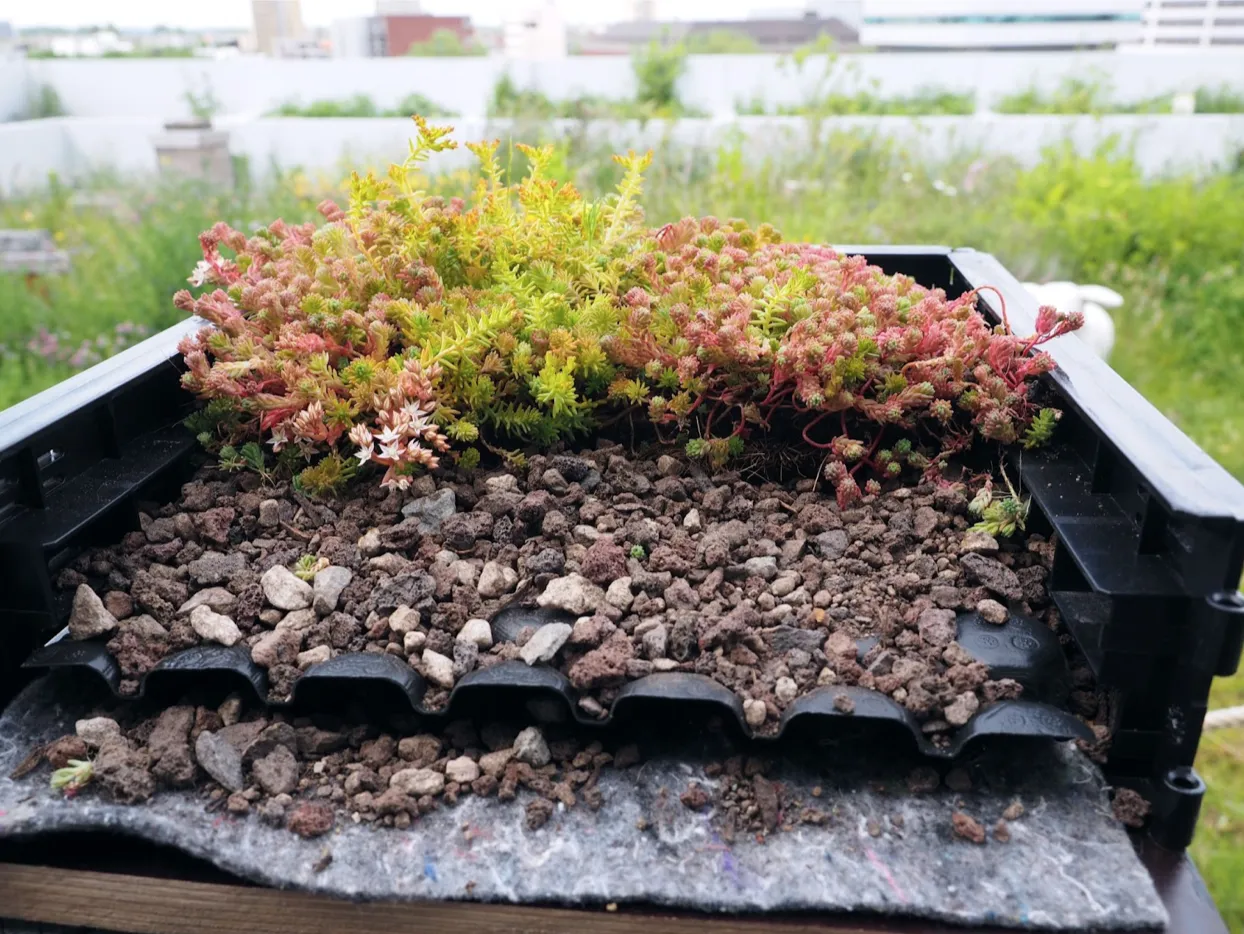
It consists of a number of layers, each of which has its own meaning:
- Waterproofing layer – protects the roof from leakage and moisture, it consists of asphalt bands and synthetic foils (membranes).
- Protective and anti-root layer – prevents roots from growing into waterproofing and consists of polyethylene or polypropylene foils or textiles.
- Drainage layer – drains excess water while retaining moisture for the plants. It consists of drainage boards, layers of gravel or ceramsite and mineral filter fabrics.
- Filter layer – prevents the substrate from being washed out and is made up of geotextiles.
- Vegetative substrate – soil containing mineral and organic components that provides nourishment to plants.
- Vegetation – various plants depending on the type of roof, can include low-maintenance mosses, sedums, herbs and grasses, or more demanding shrubs, trees, and flowers.
Advantages of green roofs
A green roof not only fulfills an aesthetic function, but also brings many practical advantages, such as:
- Thermal insulation and energy saving – helps regulate the temperature in the building, thereby reducing heating costs in winter and air conditioning in summer.
- Sound insulation – green roof absorbs unwanted city noise, for example from traffic.
- Water retention – substrate absorbs rainwater, helping to regulate its drainage.
- Extending the service life of the roof – layer of vegetation protects the structure and material of the roof from UV radiation, extreme temperature and mechanical damage.
- Air quality improvement – plants absorb carbon dioxide and produce oxygen, thus contributing to cleaner air.
- Temperature reduction – vegetation helps to cool the urban environment and thus compensates for the negative impact of concrete surfaces.
- Biodiversity support – green roofs provide a home for bees and other insects, birds and small animals.
- Many ways of using – green roofs provide a place for relaxation, the opportunity to create gardens, terraces and community spaces.
Modern plant oases on the roofs of buildings contribute to a more sustainable and pleasant life in cities and bring benefits for everyone.
Our products
KJG specializes not only in the gutter system but also in roof coverings, roof accessories and much more. All products have fixed colours and match harmoniously as a whole. However, our priority remains ensuring maximum quality, offering reliable products and solutions for roof and gutter systems.
Sales outlets
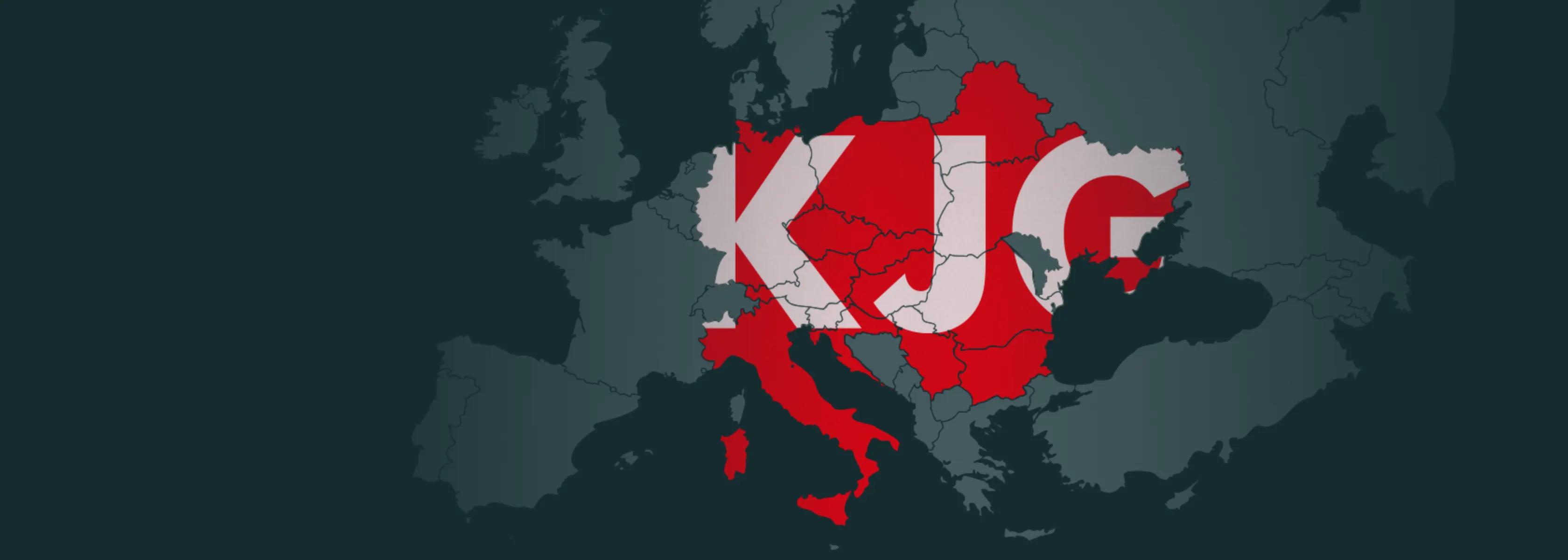
We are at home in Europe. We have a representation in 14 countries and are steadily growing. Wherever you are looking for a powerful partner for your roof, contact us.
Search for a dealer
Do you want to ask about our products or services?
Newsletter
Subscribe to the newsletter and receive regular useful information about KJG products.